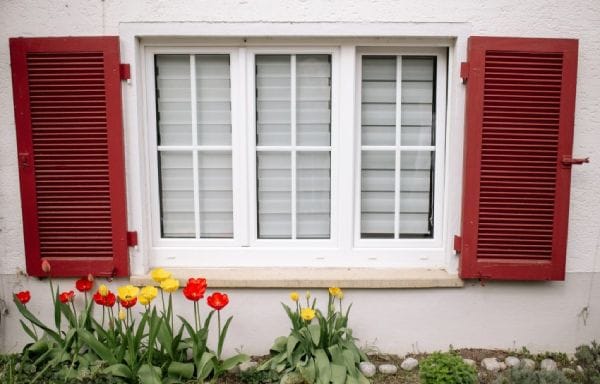
Window treatments do more than just cover your windows; they shape the light, mood, and style of your home. The right treatment can turn a plain window into a striking focal point that adds warmth, depth, and character to any space.
In this complete guide to what window treatments are, we’ll explore their different types, how to choose the right one, installation and maintenance tips, and ideas to make your home both functional and beautiful.
Understanding the Basics
TABLE OF CONTENTS
ToggleWhat are Window Treatments?
Window treatments include a wide range of coverings or decorations placed over windows. These include curtains, blinds, shades, valances, and drapes. Each type serves a unique purpose, offering varying levels of light control, privacy, and style.
Types of Window Treatments

1. Curtains and Drapes: Curtains are soft fabric panels that hang from rods; drapes are similar but heavier and usually lined. Use curtains when you want a light, casual feel; pick drapes if you want richer texture, better insulation, or a more formal look.
2. Blinds: Blinds consist of slats that can be adjusted to control the amount of light entering a room. Materials like wood, faux wood, or metal each bring a different style, rustic, modern, or minimal.
3. Shades: Shades are single pieces of material that can be raised or lowered to cover a window. Roller, Roman, and honeycomb (cellular) designs are especially popular for their clean and tailored look.
4. Valances: Valances cover only the upper strip of a window and are used mainly for decoration or to hide hardware. They’re best when you want a layered, finished look without full fabric coverage.
5. Shutters: Shutters are a timeless and classic window treatment option that adds sophistication and charm to any space. They offer a versatile combination of privacy, light control, and insulation, making them an excellent investment for your home.
How to choose window treatments?

Selecting window treatments isn’t just about covering glass; it’s about shaping the way a room feels and functions. The ideal choice balances light, privacy, energy efficiency, and personal style. Here’s how to narrow it down:
1. Privacy Matters
Start by thinking about how private the room needs to be.
• Bedrooms and bathrooms usually call for heavier or blackout fabrics that block views completely.
• Living rooms or kitchens can work well with lighter options like sheers or woven shades that filter sunlight but still let daylight in.
2. Control the Light
Each room serves a different purpose, and so should your window covering.
• For sleep spaces, look for blackout curtains or lined drapes to keep morning light out.
• In home offices or lounges, choose light-filtering blinds or shades that soften glare without darkening the space.
3. Think Energy Efficiency
Window treatments do more than look good; they can help you save on energy bills.
• Cellular shades trap air between their layers, acting as insulation.
• Thick drapes or shutters help block heat in summer and retain warmth in winter.
4. Match Your Décor
Your window coverings should complement, not clash with, your interiors.
• Choose neutral fabrics for a calm, timeless look.
• Go for bold patterns or colors if your space needs a focal point.
• For modern homes, roller shades or Roman blinds offer a sleek, minimal finish.
5. Size and Shape Count
Not all windows are standard, and that’s okay.
• Large or wide windows look elegant with full-length curtains or vertical blinds.
• Small or oddly shaped windows often look best with custom-fit shades or made-to-measure shutters.
6. Set Your Budget and Upkeep
Consider not just the cost but the maintenance.
• If you prefer low-maintenance options, go for faux wood blinds or roller shades that are easy to dust.
• If you don’t mind regular washing or dry cleaning, linen or velvet curtains can elevate the look of your home.
✅ Pro Tip:
Don’t be afraid to mix and layer! Pair sheer curtains with blackout drapes or blend shades with valances for a custom designer effect without overspending.
How to Measure and Install Window Treatments

Installing window treatments is easier than it looks, and the key to a professional finish lies in proper measuring and setup. Whether you’re hanging drapes or mounting blinds, precision makes all the difference.
1. Measure Accurately
Before buying anything, measure your windows carefully.
• Width: Measure across the top, middle, and bottom, then use the widest measurement.
• Height: Measure from the top of the frame to the sill (or floor, if you want full-length drapes).
• Extra tip: Add 3–6 inches above and beyond the frame if you want your windows to look taller or wider.
📏 Pro Tip: Always double-check your measurements before placing an order; small errors can make treatments look uneven or ill-fitting.
2. Gather the Right Tools
You’ll need a few essentials before installation:
• Measuring tape
• Drill and screws
• Brackets and wall plugs
• Pencil for marking
• Level (to make sure everything stays straight)
3. Installing Curtains or Drapes
• Mark where the curtain rod will go, ideally 4–6 inches above the window frame.
• Drill holes and attach the brackets securely.
• Slide the curtains onto the rod and mount it onto the brackets.
• Adjust the folds and height for a neat, even look.
💡 Design Tip: Hanging curtains closer to the ceiling gives the illusion of taller windows and higher ceilings.
4. Installing Blinds, Shades, or Shutters
• Measure and mark the bracket placement as per the product guide.
• Drill the brackets into the wall or window frame.
• Fit the shutters, shades, or blinds between glass into the brackets, and check that they move smoothly.
• Test the pull cords or motorized functions to ensure proper operation.
🪞 Bonus Tip: For a cleaner, built-in look, install blinds inside the frame. For a more dramatic, designer effect, mount them outside the frame to make windows appear larger.
5. Final Adjustments and Finishing Touches
• After installation, check for alignment,
• make sure the fabric hangs evenly,
• and confirm that all mechanisms work properly.
• Take a step back, your window treatments should look symmetrical in size, crisp, and polished.
✅ Quick Reminder:
Don’t rush this part. Even a beautiful curtain can look untidy if installed carelessly. Good measuring and clean mounting instantly elevate your space.
Window Treatment Ideas for Different Rooms
Every room has its own purpose, and your window treatments should reflect that. The right choice can completely change how a room feels, from cozy and private to bright and open. Here are ideas tailored to each space:
Every room has its own purpose, and your window treatments should reflect that. The right choice can completely change how a room feels, from cozy and private to bright and open. Here are ideas tailored to each space:
1. Living Room
For the living room, consider elegant floor-length curtains or luxurious drapes to create a sophisticated and inviting space. Layering curtains over blinds or shades can provide both style and functionality, allowing for privacy and light control.
2. Bedroom
In the bedroom, blackout curtains or blackout shades are essential for ensuring a restful sleep by blocking out unwanted sunlight. Layering with sheer curtains or decorative valances can add a touch of elegance to the room.
3. Kitchen and Dining Area
In the kitchen and dining area, opt for window treatments that are easy to clean and maintain, as these spaces are prone to splatters and spills. Faux wood blinds or easy-to-wipe roller shades are ideal choices, offering a balance between style and practicality.
4. Bathroom
Bathrooms require window treatments that provide privacy while allowing natural light to enter. Moisture-resistant materials like vinyl or faux wood blinds, or even sheer fabric shades, can provide the necessary privacy and light control while withstanding high humidity levels.
5. Home Office
In a home office, functional window treatments are key. Cellular shades or blinds with cordless or motorized control options allow for precise light control during work hours. Consider light-filtering options to minimize glare and create an inspiring workspace.
6. Nursery or Children’s Room
Window treatments for nurseries or children’s rooms should prioritize safety and functionality. Cordless blinds or shades eliminate potential hazards, while blackout curtains or shades ensure an optimal sleeping environment for little ones. Playful patterns or themed curtains can also contribute to a child-friendly atmosphere.
Window treatments for sliding glass doors:

Sliding glass doors bring in beautiful sunlight and outdoor views, but they also need the right coverings for privacy, insulation, and style. The key is to choose something that looks elegant while staying easy to open and close.
Here are some popular and practical options:
1 . Vertical Blinds
A classic choice for sliding doors.
• They move side to side, just like your door, making them super convenient.
• Available in fabric, vinyl, or textured finishes.
• Ideal if you want easy maintenance and budget-friendly functionality.
✨ Best for: Modern spaces or high-traffic areas like patios and balconies.
2. Sliding Panel Track Blinds
Sleek, wide panels that glide smoothly across the door.
• Offer a clean, contemporary look.
• Available in light filtering or blackout fabrics.
• Panels can stack neatly to one side when open.
🏡 Best for: Minimalist or open-plan homes where simplicity is key.
3. Curtains or Draperies
Elegant and versatile, perfect for adding warmth and luxury.
• Use floor-to-ceiling drapes to make the room feel taller.
• Layer sheers and blackout panels for flexible light control.
• Opt for grommet tops or traverse rods for easy movement across the door.
🪟 Best for: Living rooms and dining areas that connect to patios or decks.
4. Roller Shades
Streamlined and space-saving.
• Roll up neatly when not in use.
• Choose between solar, light filtering, or blackout fabrics.
• Motorized versions make operation effortless.
⚙️ Best for: Contemporary homes or apartments with limited space.
5. Sheer Vertical Shades
A soft blend of drapes and blinds.
• Combine light control of blinds with the elegance of sheer fabric.
• Great for diffusing harsh sunlight while keeping privacy.
🌤️ Best for: Large glass doors that face the sun directly.Best for: Large glass doors that face the sun directly.
6. Cellular Shades (Vertical Orientation)
Energy efficient and stylish.
• Excellent insulation keeps your room cooler in summer and warmer in winter.
• Available in cordless or motorized options for smooth sliding operation.
💡 Best for: Energy-conscious homes looking for both comfort and style.
How much do window treatments cost?
Window treatment costs vary based on material, size, and customization.
- Basic blinds or ready-made curtains usually start around $20–$50 per window,
- while custom drapes, shades, or shutters can range anywhere from $100 to $1,000 or more, depending on design and quality.
Where to buy window treatments ?
There are several reputable online retailers and physical stores where you can purchase window treatments in the USA. Here are some popular options:
What window treatments are in style?
• Modern homes favor minimalist and functional window treatments with a clean, uncluttered look.
• Roller shades, Roman shades, and sheer curtains are especially popular for their simplicity and elegance.
• Natural fabrics like linen and cotton, paired with neutral tones, create a timeless style that complements any décor.
Key Takeaways:
Hence, understanding what window treatments are is crucial for creating a comfortable and visually appealing living space.
By carefully selecting window treatments for each room, you can create a serene and stylish look. Moreover, knowing what window treatments are allows you to harmonize natural light, privacy, and decor elements, resulting in a harmonious and inviting atmosphere in your living spaces.
FAQ:
1. What are window treatments called?
Window treatments are also known as window coverings or window dressings. They encompass a variety of options like curtains, blinds, shades, valances, and drapes, which serve both functional and decorative purposes.
2. What are window treatments made of?
Window treatments can be crafted from a variety of materials, including fabric, wood, metal, and synthetic materials like vinyl or polyester. Each material offers unique advantages in terms of aesthetics, functionality, and durability, allowing homeowners to choose options that best suit their preferences and needs
3. What window treatments are in style for 2022?
In 2022, window treatment trends have leaned towards eco-friendly and sustainable materials like bamboo or linen. Sheer curtains and layered treatments are also popular for a soft, ethereal look. Additionally, motorized, or smart blinds with remote control features have gained popularity for their convenience and modern appeal.
4. What are window treatments in real estate contracts?
In a real estate contract, “window treatments” refer to coverings or decorations placed over windows, such as curtains, blinds, shades, or drapes. These treatments may be included in the sale of a property, depending on the terms negotiated between the buyer and seller.
Should you have any more inquiries about ‘”What are window treatments”, kindly leave a comment, and we will address them promptly.
Also learn How to clean and wash window coverings (Read more)
How to Wash Curtains
How to Wash Blackout Curtains
How to clean sheer curtains